 The binder in Watercolor paint is water-soluble, plant based Gum Arabic. All of our pigment colors are suitable for use in Watercolors. This recipe prepares paint for dry storage in Watercolor pans or dishes of your choice, ready for your brush and water. First prepare the Gum Solution, then follow the recipe for making the paint below it.
Gum Arabic Preparation
Ingredients
- By Weight:
- 100 grams (3.5 oz) Gum Arabic
- 333g (11.75oz) boiled, distilled water
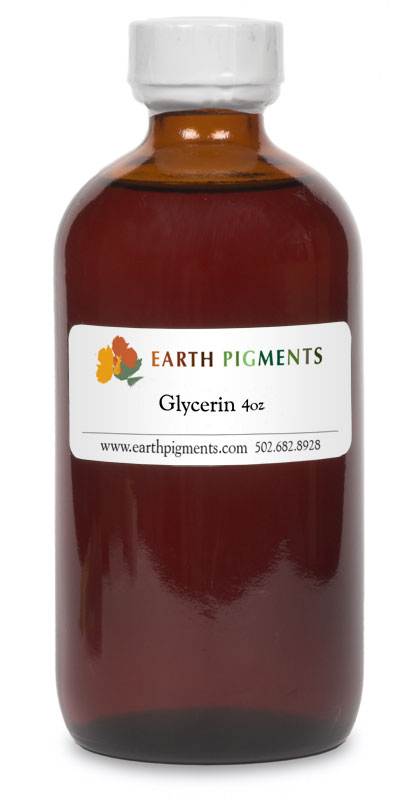
- 130g Glycerin (optional)
- By Volume:
- 2 parts Gum Arabic
- 4 parts boiled, distilled water
- 1 part Glycerin (optional)
Boil water and pour over the powdered gum, stirring to make sure there are no lumps. Add the Glycerin if desired, stirring well. It is advisable to strain this mixture through cheesecloth when pouring it into your storage jar, then putting on the lid. Allow the mixture to soak 24-48 hours for full absorption. If desired, you can add drops of Clove Oil to extend shelf life. Prepared Gum Arabic Solution must be stored in the refrigerator to deter mold growth. It may be advisable to make small batches so the solution will be fresh rather than storing larger quantities for an extended period of time.
Watercolor Preparation
Ingredients
- Prepared Gum solution
- Pigments (premixed into a paste with water is preferable)
- Honey in a 10% proportion to the weight of Gum solution used
Honey is used to help the pigments mix smoothly into the formula. Here it is calculated based on the weight of your Gum Solution rather than a volume mix. For example, if creating the Gum Solution with 100g of Gum Arabic, use 55g of Honey (2.6 tablespoons.) Honey weighs 21.25g per level Tablespoon.
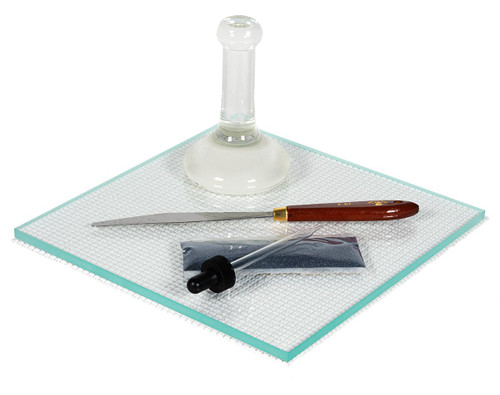
The amount of pigment to use will vary depending upon the color. Start with a ratio of 1 part Gum/Honey to 1 part pigment paste and adjust as necessary. Mix all the ingredients and work them on a glass plate using a paint spatula. Your goal is to obtain a paste with a thick, creamy consistency. Some pigments will incorporate easier than others. Smoothest mixtures of watercolors can be obtained by mulling your final paint with a glass and muller such as our [Muller Paint Making Set] Test your final watercolors on appropriate paper by wetting them with the brush and painting a swatch down the paper. You should not see any micro-bursting of pigment particles, or clumps of unincorporated pigment.
Gouache Preparation
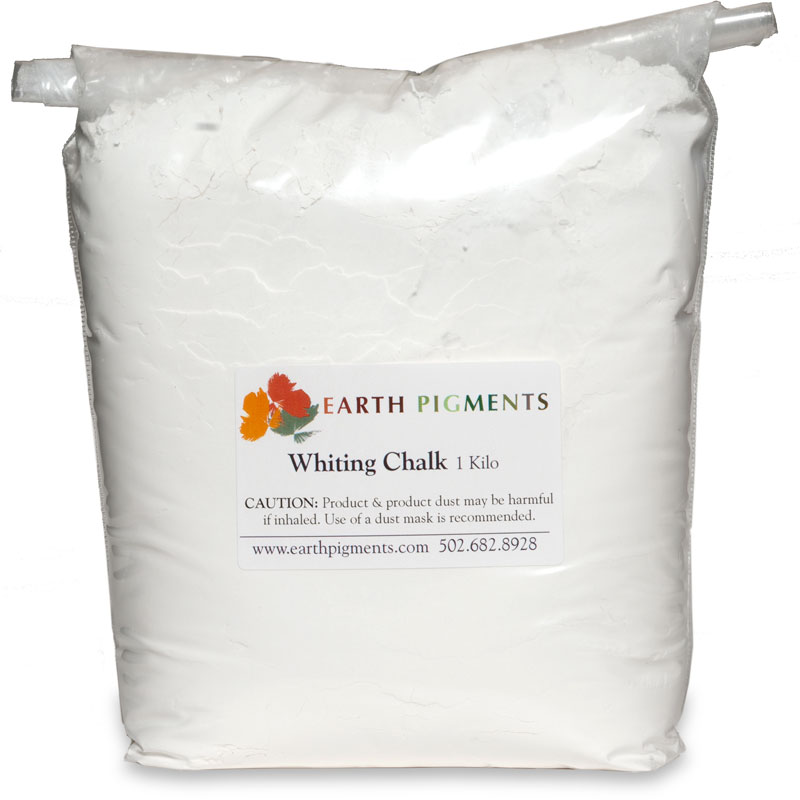
Gouache is a watercolor that is opaque rather than transparent. To achieve this, mix in Whiting Chalk as a "load". Use 1 part Whiting Chalk to six parts pigment which is a ratio of 15%. Working the Pigment and Whiting Chalk into a paste with water is advisable prior to mixing with the Gum Solution and Honey, as this wets all the particles making them easier to incorporate into the binder.